
I recently dove into a couple of scientific studies on athlete sleep - honestly, nothing revolutionary. Everything boils down to the obvious: sleep clearly impacts competition results, and almost all professional athletes are chronically sleep-deprived. But here’s the thing: the gap between knowing and doing is massive.
I’ve been tracking my sleep through Oura and Garmin for a while now. Their metrics are almost identical, but with different emphases; one leans more toward physiology, the other toward load. I’ll probably stick with just the ring. It’s simply more convenient, and frankly, I don’t need two devices telling me the same story in slightly different dialects.
I try to follow Oura’s recommendations: room temperature, consistent bedtime, no screens the last hour (definitely the hardest one), minimal activity before sleep. And I’m seeing improvements. Nothing dramatic, but real.
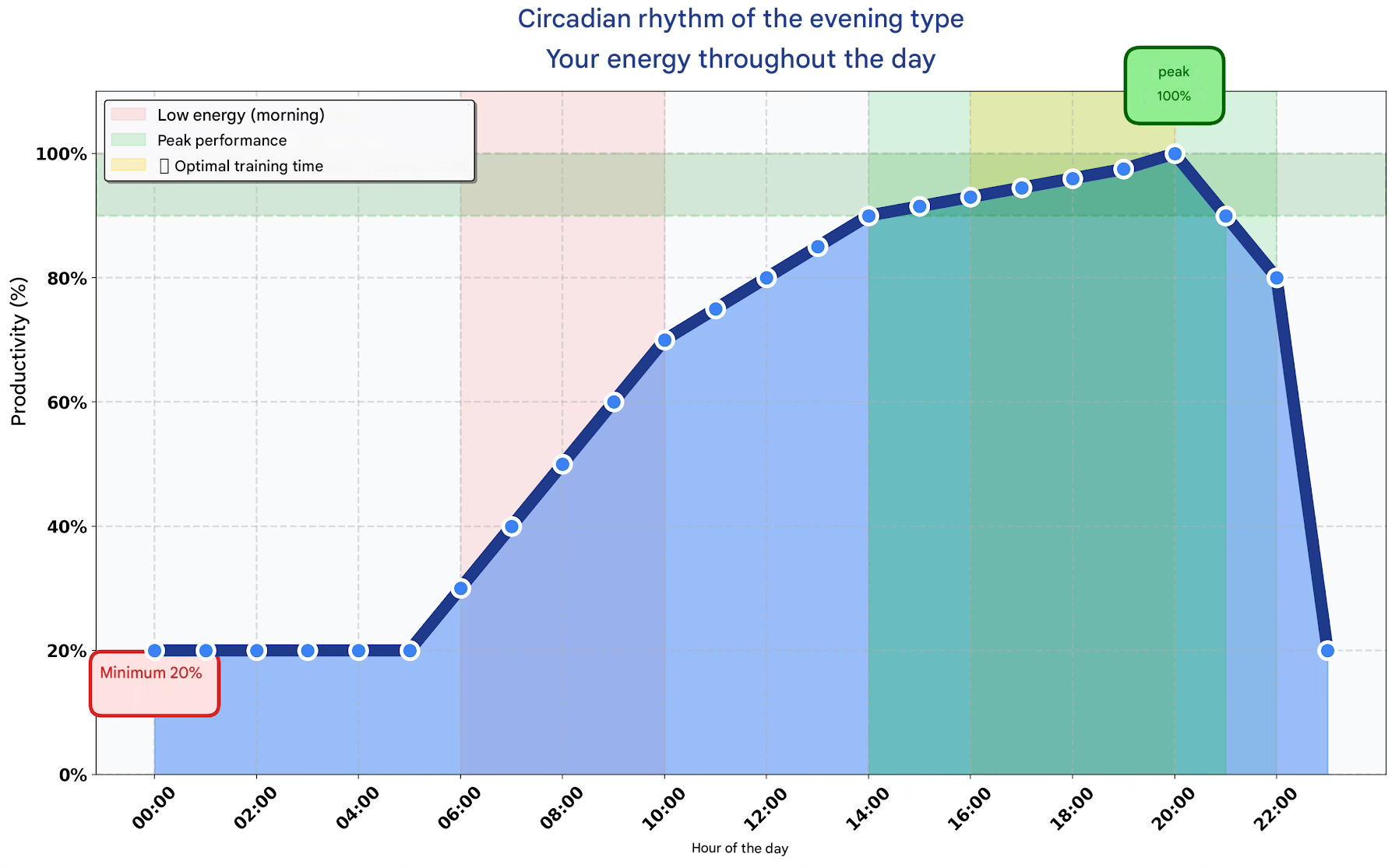
The Price of Sleep Debt
For an amateur athlete, sleep deprivation means poor competition results. In business, the cost of a mistake is a wrong decision. Sleep deprivation makes us emotionally fragile, irritable, and imprecise. If in boxing you “miss” a punch, in business you can miss an important signal, lose a deal, fail to see an opportunity.
The research backs this up in ways that should concern anyone serious about performance. Studies show that 64-65% of both elite and sub-elite athletes report poor sleep quality, with many getting less than 7 hours per night. Think about that - these are people whose livelihoods depend on physical performance, and two-thirds aren’t sleeping properly.
Sports psychologist Harley de Vos nailed it: “Quality sleep remains the secret weapon that boosts performance, reduces injury risk, and accelerates recovery. During deep sleep, the body goes into repair mode - growth hormone is released, muscle tissue is restored, energy stores are replenished. Without this, the body becomes vulnerable - fatigue and mistakes are inevitable.”
But here’s what the research really reveals: sleep deprivation increases circulating stress hormones like cortisol, decreases glycogen regeneration, deregulates appetite, impacts energy expenditure, increases catabolism and reduces anabolism, affecting the rate of muscle repair. In other words, when you’re sleep-deprived, your body is literally working against you at a biochemical level.
Jet Lag as a Natural Experiment
My last trip to Europe was a clear demonstration. Jet lag, sleep deprivation and the first few days, efficiency drops dramatically. The immune system also fails to provide proper protection. I tried Garmin’s Jet Lag Advisor, and the simple recommendations to get out in the sun at the right time helped somewhat.
What’s fascinating is watching how Oura evaluates “resilience” - stress resistance. After that trip, this parameter took almost three weeks to recover. Three weeks. That’s not a minor disruption; that’s a significant operational impairment for anyone trying to maintain high performance.
Athletes’ careers end at 30, while an entrepreneur’s may only be starting at 50. This means endurance is a strategic resource, not just a nice-to-have. The implications are profound: if you’re building for the long game, recovery isn’t optional, it’s the foundation.
The Recovery Paradox
Dr. John Sullivan’s quote resonates: “You don’t strengthen a person with load - you strengthen them with recovery. If a person burns out, they’re no longer benefiting from training. Recovery is the moment when the effect of work is consolidated.”
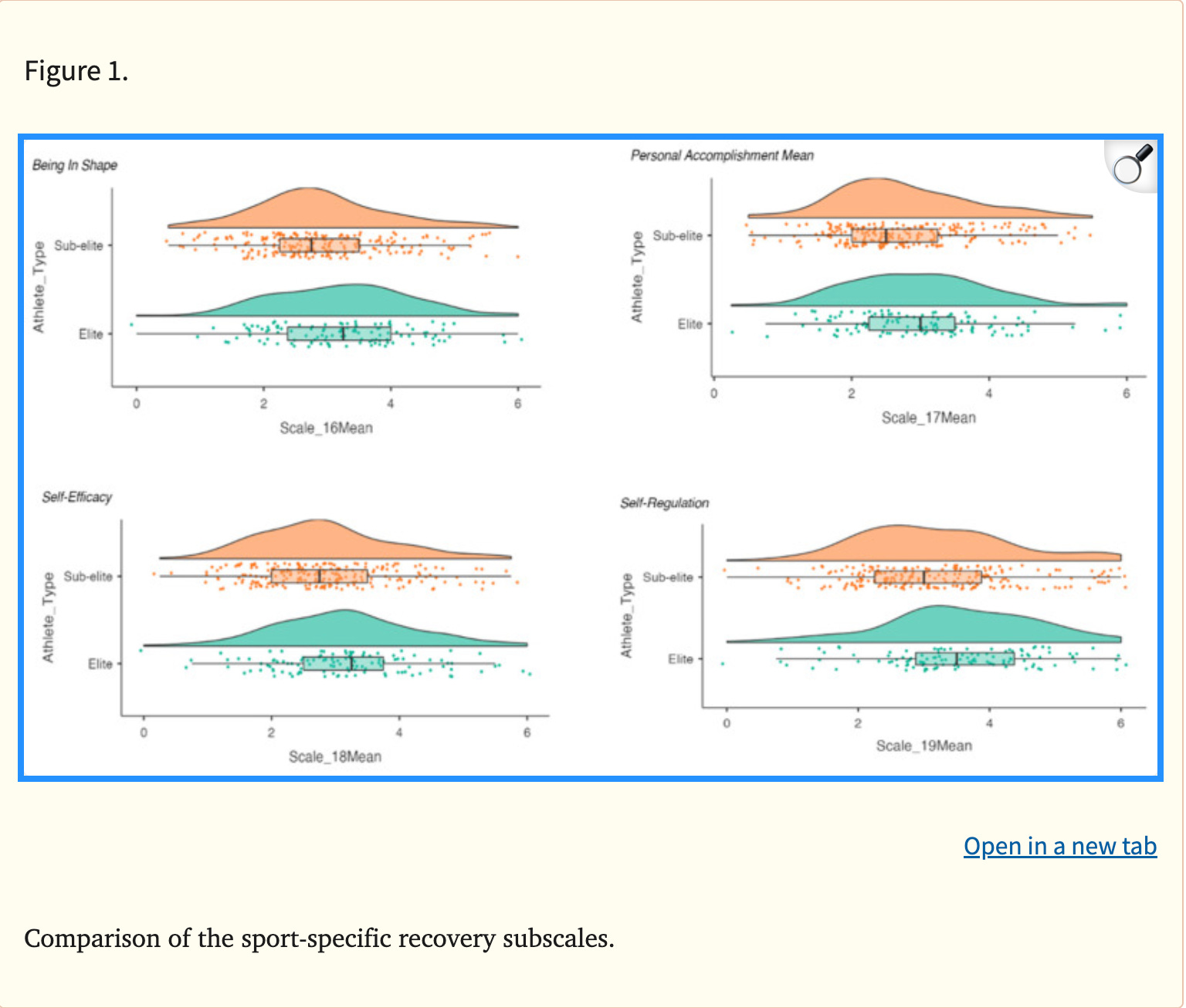
The research reveals something counterintuitive: elite athletes actually reported better sport-specific recovery practices than sub-elite athletes, despite both groups experiencing similar sleep problems. The difference? Elite athletes have access to multidisciplinary teams managing all aspects of their training and recovery. They’re not necessarily sleeping better, but they’re more systematic about recovery when they do rest.
Both groups showed improved sleep quality on rest days - longer time in bed, more total sleep time, and reduced wakefulness after sleep onset. And it’s revealing: when given the chance, the body knows what it needs. The problem is we’re not giving it that chance consistently enough.
The Data Revolution
I strongly believe that data from fitness trackers represents new evidence-based medicine. Millions of volunteers, billions of nights of sleep isn’t just statistics, it’s real science at scale. The democratization of health data is giving us insights that were previously available only in sleep labs.
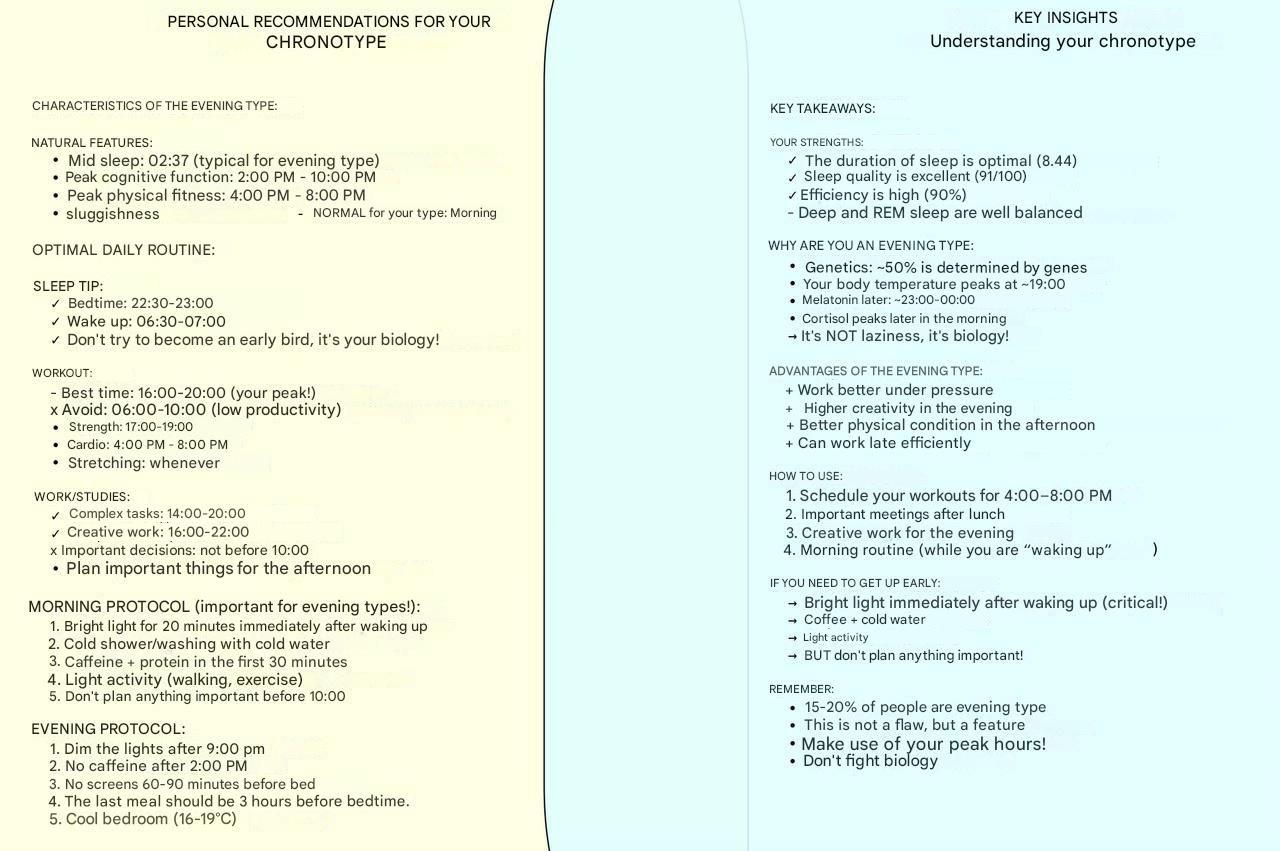
I recently added the Stelo glucose sensor again, now integrated with Oura. After a couple of weeks analyzing the results with Claude, I discovered that with my routine, glucose levels don’t significantly affect my sleep. Claude also more accurately determined my chronotype and gave specific recommendations. This kind of personalized analysis, combining multiple data streams and applying intelligence to interpret them - is exactly where health optimization is heading.
The research confirms this approach: Athletes reported various reasons for poor sleep including injury, children, anxiety, weight management, and bathroom use, highlighting the need for individualized sleep interventions rather than one-size-fits-all recommendations.
The Unified Principle
In sports and in business, the rule is the same: growth = stimulus + recovery. Ignore recovery, and you slow down growth. It’s not more complicated than that, but execution is everything.
What strikes me about the research is how it quantifies what we intuitively know: high levels of fatigue, stress, and pain were reported across both elite and sub-elite groups, yet many athletes continued to underinvest in systematic recovery practices. We know what works. We’re just not doing it consistently.
The most successful athletes aren’t necessarily the ones who train hardest -they’re the ones who recover most effectively. The same principle applies to business. Your capacity for sustained high performance isn’t about how many hours you can grind; it’s about how well you can bounce back.
The studies make it clear: there’s a critical need for athletes to receive individualized support and education regarding their sleep and recovery practices. But swap “athletes” for “entrepreneurs” or “executives,” and the statement remains equally true. We’re all competing in performance-driven environments where small edges compound over time.
Recovery is not downtime. It’s when adaptation happens. It’s when the work you’ve done gets consolidated into actual capability. Neglect it, and you’re not just leaving gains on the table, you’re actively undermining everything you’re trying to build.
The numbers don’t lie, and neither does your body. The question is: are you listening?